Shivanubhava
Preparing your darshan
Shivanubhava
Preparing your darshan
Shaivam
The Eternal Cosmic Dance of Creation, Preservation and Dissolution
Anandha Nataraja
Book a Sacred Offering
Deliver the grace of Sri Sivagamasundari Samedha Anandha Nataraja to your doorstep
Seek Blessings, Wherever You Are
Deliver the grace of Sri Sivagamasundari Samedha Anandha Nataraja & sacred prasadam to your doorstep · Abhishekam · Archana · Special Darshan · Sankalpam
06:00 – 12:00 · 17:00 – 22:30
Main Deity
Anandha Nataraja
Amman
Sivagamasundari
Theertham
Sivagangai
Sthala Vriksham
Thillai vanam (Excoecaria agallocha Forest)
Urchavar
Sivagamasundari & Somaskandar
Nadhi
Vellaru and Kollidam
Facing
East and Nataraja is facing South
Plan Your Visit
Morning Darshan
06:00 – 12:00
Evening Darshan
17:00 – 22:30
Average Duration
2 hr
Parking
Yes
Wheelchair
No
Photography
No
Restrooms
Yes
Free Food
Yes
Paid Stay
No
Dress Code
Traditional Attire is preferred
Timings may vary during festivals
Panchabootha Temples
Thevara Padal Sthalam
Darshan & Pooja
Sayarakshai Pooja
18:00 – 19:00
During the Sayarakshai Pooja, the sacred Shodashopachara — the sixteen traditional forms of worship and offerings — are performed for Nataraja. Witnessing this divine ritual in the divine presence of Nataraja creates a deeply spiritual and electrifying experience filled with devotion, sacred energy, and an indescribable divine atmosphere. It is truly a unique experience that feels beyond the ordinary and completely out of this world. On weekends, the temple usually experiences heavy crowds due to the large number of devotees visiting for darshan and pooja. For those seeking a more peaceful, calm, and immersive spiritual experience, it is recommended to visit on a weekday. This allows devotees to witness the pooja with greater serenity and connect more deeply with the divine vibrations and sacred ambience of the temple.
Daily Pooja Schedule
Paal Nivedhanam & Thirupalliyezhuchi - 6:30 AM – 7:00 AM Kala Sandhi Pooja - 7:45 AM – 9:00 AM Irandaam Kaalam - 10:00 AM – 11:00 AM (Ratna Sabapathi, Natarajar made of Emerald Abishekam) Uchikalam - 11:30 AM – 12:00 PM Sayarakshai - 5:15 PM – 6:00 PM Irandaam Kaalam - 7:00 PM – 8:00 PM Ardhajamam - 9:00 PM – 10:00 PM In all the above pooja timings, Saptika linga (Chandramouleshwar) Abishekam will happen, and end of the Kala pooja the Chidambaram Rahasyam is shown to the devotees.
Highlights
For countless generations, Thillai Nataraja Temple has stood not merely as a temple, but as a living center of spiritual awakening, divine experience, devotion, music, dance, yoga, philosophy, and mystical realization. The sacred atmosphere of Thillai is believed to radiate the subtle energy of divine consciousness — the Chit Akasha, the Space of Pure Awareness — drawing sages, saints, siddhas, poets, kings, dancers, and seekers across ages.
Among the most revered legends of Chidambaram is the story of Sage Patanjali and Sage Vyaghrapada. It is said that both sages performed intense penance in the sacred Thillai forest to witness the divine Ananda Tandavam — the Cosmic Dance of Lord Nataraja. Sage Patanjali, traditionally associated with the Yoga Sutras, is believed to be an incarnation of Adisesha, the cosmic serpent. Sage Vyaghrapada (“Tiger-Footed Sage”) received tiger-like claws and feet through divine grace so he could gather the freshest flowers for Shiva worship without disturbing bees or thorns. Moved by their devotion, Lord Shiva revealed His blissful Cosmic Dance in the Chit Sabha of Thillai. This sacred vision became the eternal spiritual foundation of Chidambaram.
Manikkavasagar, one of the great Tamil Shaiva saints, shares a profound connection with Chidambaram. His immortal work, the Thiruvasagam, overflows with mystical devotion, surrender, and ecstatic longing for Shiva. Sacred tradition says Lord Shiva Himself listened to Manikkavasagar’s hymns at Chidambaram and even caused them to be written down by divine grace. According to sacred tradition, Manikkavasagar is believed to have finally become one with the Divine in the presence of Nataraja inside the Garbha Graha (sanctum sanctorum). In simple terms, it means he did not merely worship God, but is believed to have completely dissolved his individual self and merged with the supreme divine consciousness.
Among the most moving legends of Chidambaram is the story of Nandanar, one of the 63 Nayanmars. Born in a socially marginalized community, Nandanar possessed unwavering devotion to Lord Shiva and longed throughout his life to behold Sri Nataraja at Chidambaram. Tradition recounts that divine grace itself removed obstacles before him. Upon reaching Chidambaram, he entered the sacred presence of Lord Nataraja and ultimately merged in divine consciousness, like Manikkavasagar. The beauty of Manikkavacakar and Nandanar lies in the profound spiritual message their lives convey. Manikkavasagar is traditionally believed to have been a learned Brahmin and a minister in a king’s court, while Nandanar was born in a socially oppressed farming community and lived as a humble peasant. Yet, despite differences in birth, social status, caste, or worldly position, both are revered as saints who attained the highest spiritual realization and divine grace.
This reflects a central truth of Sanatana Dharma — that ultimate realization is not limited or defined by social identity, caste, wealth, education, or worldly status. The eternal truth spoken of in the spiritual traditions is Brahman — the infinite, all-pervading consciousness that exists everywhere, in everything, and beyond all divisions. It is eternal, unchanging, and untouched by human-made social structures or stratifications.
The lives of these saints beautifully illustrate that anyone, regardless of background, who sincerely seeks truth through devotion, surrender, inner purity, and spiritual discipline, can realize the Divine and become one with that supreme consciousness. In this understanding, spiritual realization transcends all external identities, because the same divine presence exists equally within every being.
Ramalinga Swamigal, (Vallalar) the great saint, Siddha, and yogi of the 19th century, shared a profound spiritual connection with Thillai Nataraja Temple from an early age. For Vallalar, Chidambaram was not merely a sacred temple — it was the supreme symbol of Consciousness (Chit), Divine Grace, and the realization of the formless Truth beyond all limitations. Throughout his hymns and spiritual teachings, he repeatedly referred to Chidambaram, the Chidambara Rahasyam, and the inner experience of divine consciousness. Tradition holds that Vallalar received profound spiritual revelations through the grace of Lord Nataraja. Several of his deeply mystical hymns emerged through divine inspiration bestowed by the Cosmic Dancer of Thillai Himself.
Arangetram Lord Nataraja is revered as the Lord of Dance (Adalvallan), and thus Chidambaram naturally evolved into one of the foremost centers for the development and preservation of classical arts, especially Bharatanatyam. For centuries, and continuing even today, Bharatanatyam artists have cherished the sacred tradition of offering their first formal debut — the Arangetram — in the divine presence of Lord Nataraja at Thillai Nataraja Temple.
To perform before Sri Ananda Nataraja Peruman, the Lord of the Cosmic Dance, is regarded as a rare spiritual blessing and a moment of profound devotion in the life of a dancer. For many artists, presenting their Arangetram at Chidambaram symbolizes: the surrender of ego at the feet of the Divine, the offering of art as worship, and the continuation of an ancient sacred artistic lineage preserved through generations.
In the spiritual tradition of Thillai, dance is not viewed merely as performance or entertainment — it is considered a sacred path of inner refinement, devotion, discipline, and divine realization. This timeless tradition continues to preserve the inseparable union between: dance, devotion, spirituality, and divine consciousness. Thus, even today, countless dancers aspire to offer their art before Lord Nataraja, where every movement becomes a prayer and every rhythm echoes the eternal Cosmic Dance of Shiva.
Natyanjali — The Offering of Dance One of the most celebrated cultural-spiritual traditions associated with Chidambaram is Natyanjali, the grand festival of dance offered to Lord Nataraja. Held annually around the sacred festival of Maha Shivaratri, Natyanjali brings together dancers from across India and the world to offer Bharatanatyam and other classical dance forms before the Cosmic Dancer of Thillai.
According to the sacred temple traditions, the Devas themselves are believed to worship Lord Nataraja in the celestial realms. The scriptures state that one human year is equal to a single day for the Devas. Therefore, the six daily kāla pūjās of the Devas are symbolically observed on earth as the six sacred annual abhishekams of Sri Nataraja. These grand abhishekams are among the most revered rituals of the temple and are performed with Vedic chanting, Thirumurai recitations, temple music, deeparadhanai, and elaborate ceremonial worship.
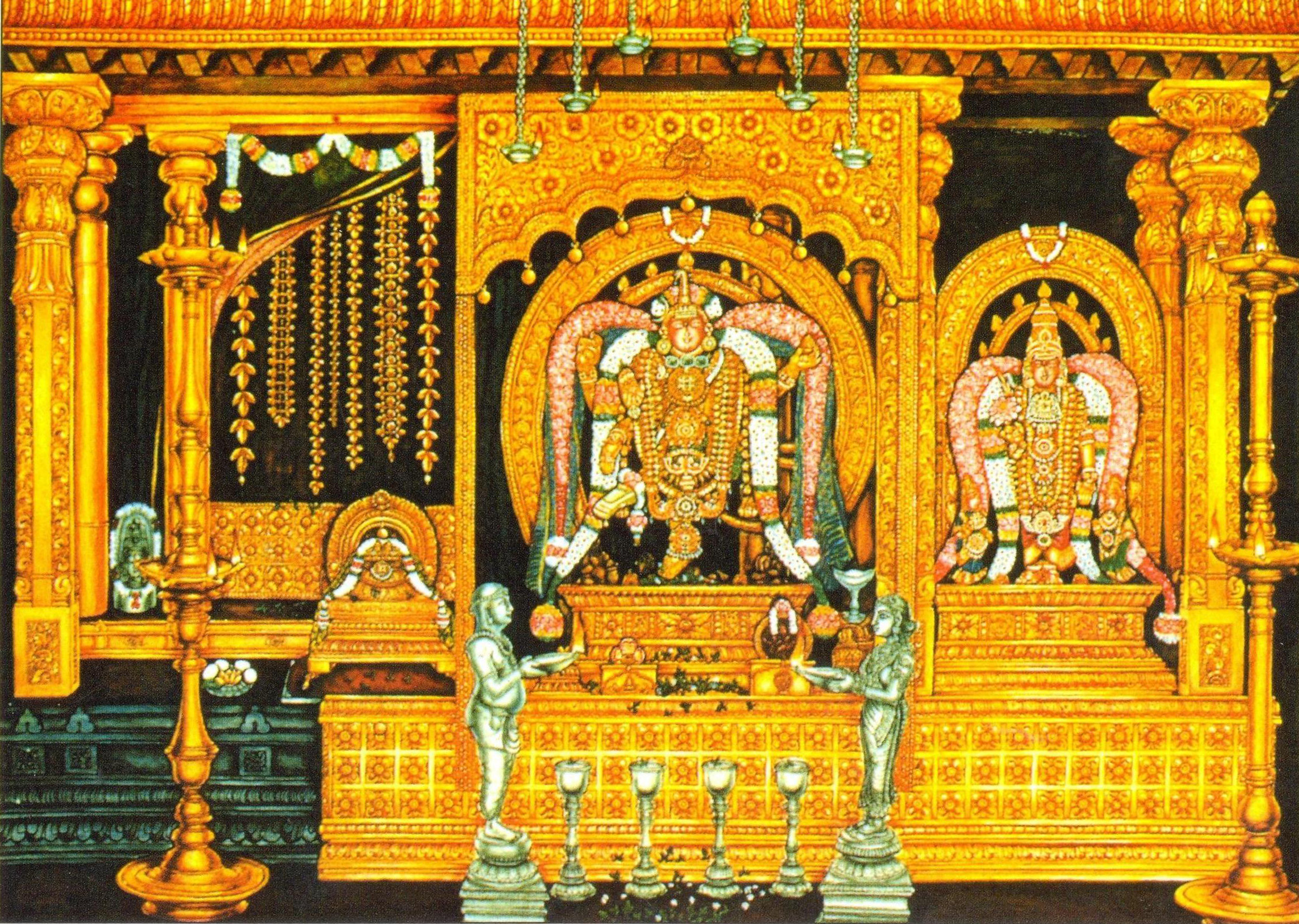
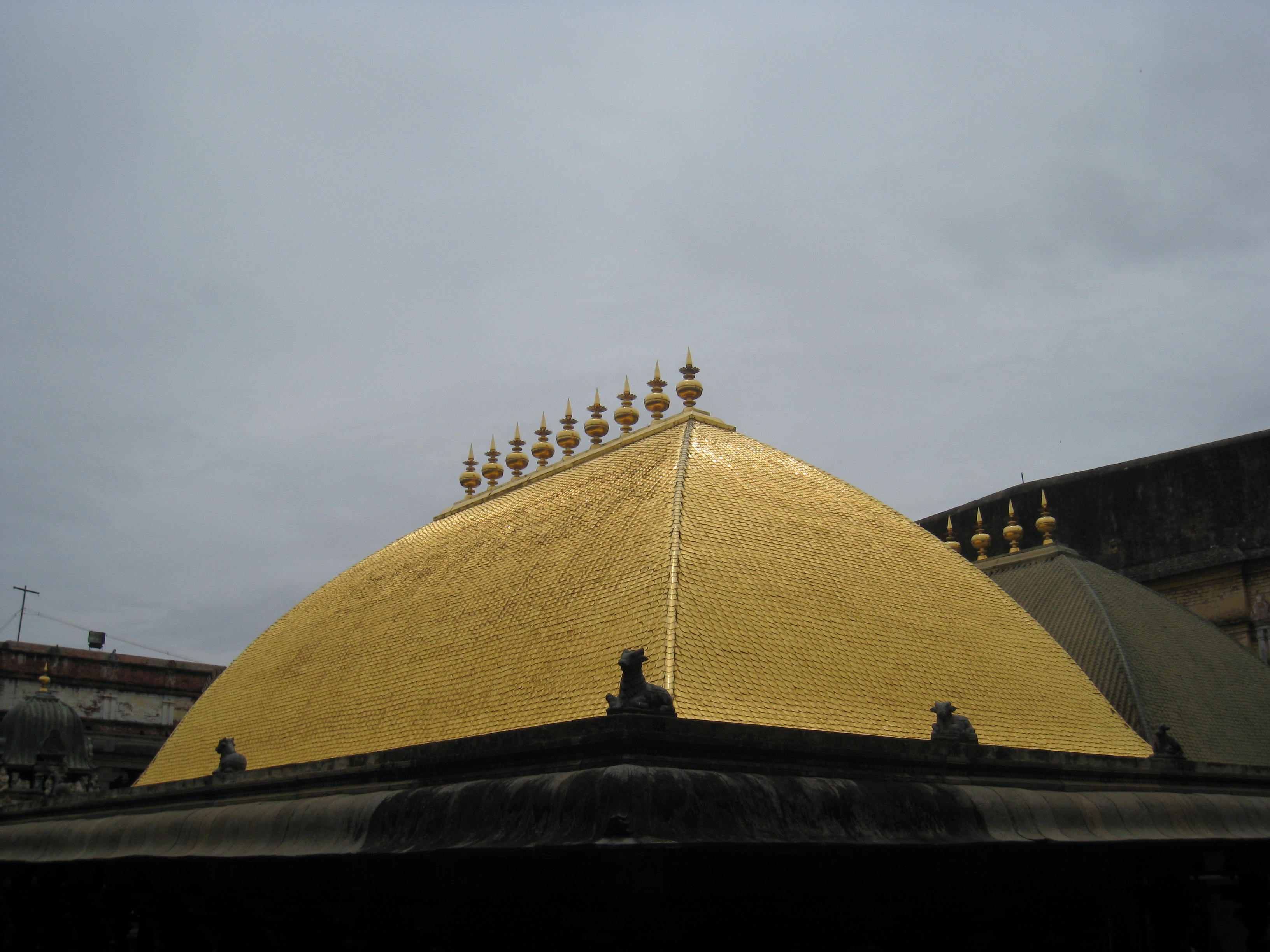
Kanaka Sabha – The 1000 Pillared Sacred Hall of Abhishekam The sacred ritual bath (Thirumanjanam / Abhishekam) for Sri Nataraja Peruman is performed in the divine Kanaka Sabha, the Golden Hall situated in front of the Chit Sabha. During these occasions, devotees receive the rare blessing of witnessing the Lord adorned in majestic alankarams after the sacred ceremonial bath.
The Kanaka Sabha holds immense spiritual significance, as it is here that many of the temple’s important rituals and festival ceremonies are conducted in the august presence of Sri Nataraja and Sri Sivakamasundari Ambal.
Chithirai Thiruvonam Tamil Month Chithirai (April – May) Aani Uthiram – Aani Thirumanjanam Tamil Month: Aani (June – July) One of the grandest festivals of the temple, celebrated with a magnificent 10-day Brahmotsavam, Vedic rituals, processions, and the majestic Temple Car Festival (Therottam). The festival commemorates the cosmic dance of Lord Nataraja and attracts thousands of devotees.
Avani Shukla Chaturdashi Tamil Month: Avani (August – September)
Purattasi Shukla Chaturdashi Tamil Month: Purattasi (September – October)
Margazhi Thiruvadhirai – Arudra Darshan Tamil Month: Margazhi (December – January) The most celebrated festival of Thillai Nataraja Temple, observed with a grand 10-day Brahmotsavam, sacred Vedic ceremonies, devotional hymns, spectacular processions, and the renowned Rathotsavam (Temple Car Festival). On the sacred day of Arudra Darshan, devotees witness the divine abhishekam and the blissful darshan of Sri Ananda Nataraja, symbolizing the cosmic dance of supreme consciousness.
Maasi Shukla Chaturdashi Tamil Month: Maasi (February – March)
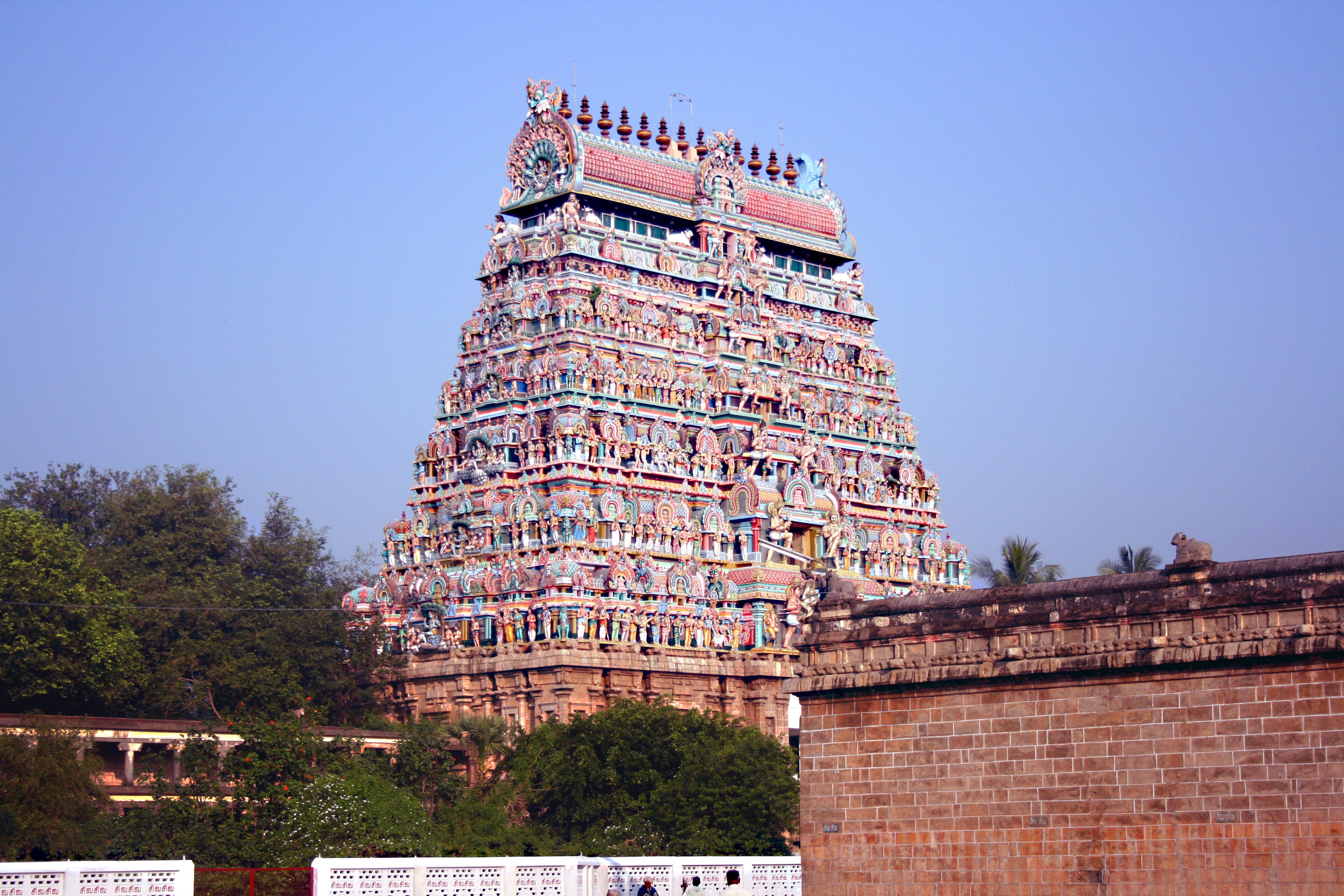
Heritage
Dravidian
Style
Chola
Period
4
Towers
Getting There
By Bus
From Chennai, direct buses to Chidambaram are regularly available. Alternatively, you can also board buses operating from Chennai to Nagapattinam and get down at Chidambaram en route.
By Train
Direct trains to Chidambaram are available from Chennai Egmore Railway Station and Tambaram Railway Station on a regular basis. Daily train services are also available from cities like Madurai and Tiruchirappalli to Chidambaram. From Salem, regular train connectivity to Chidambaram is also available. Alternatively, travelers can reach nearby railway stations such as Puducherry or Vriddhachalam and continue their journey to Chidambaram by bus or cab.
By Air
The nearest major airports to Chidambaram are Chennai International Airport and Tiruchirappalli International Airport. Regular bus, train, and cab services are available from both airports to Chidambaram, making travel convenient for devotees and visitors.
By Stay
There are many lodges and accommodation facilities available near the temple for devotees and visitors. The Tamil Nadu Tourism Development Corporation guest house is also available near the railway station and can be a convenient option for accommodation. In addition, several dharmashalas and chathirams are located around Sannidhi Street, offering simple and traditional stay facilities for pilgrims visiting the temple.
Nearby Attractions
PIchavaram Mangrove Forest
15.00 km
Just a short drive from the sacred town of Chidambaram lies the enchanting Pichavaram Mangrove Forest, one of the world's largest and most pristine mangrove ecosystems. The boat glides through narrow emerald waterways beneath intertwining mangrove canopies, the noise of the world gradually fades away.
Gallery
Suggestions
Beat the Crowd
Average darshan takes 120. Visit on weekdays and arrive at opening time.
Seek Blessings
Have a pooja, archana or abhishekam performed on your behalf at Sri Sivagamasundari Samedha Anandha Nataraja — with sacred prasadam delivered to your home.